Product Description
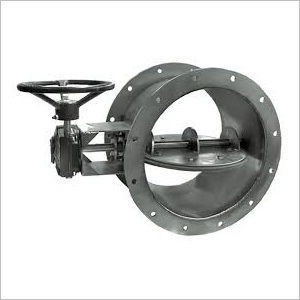
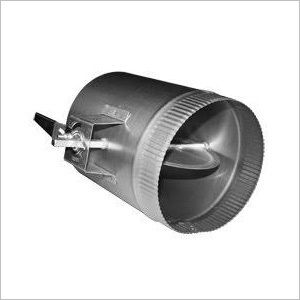
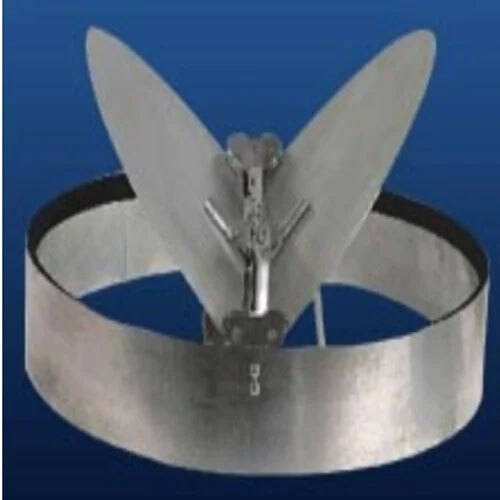
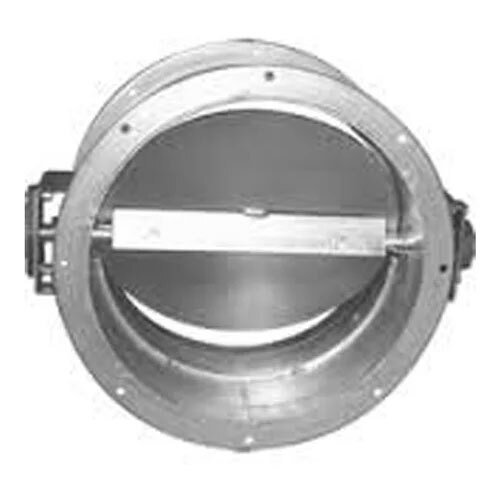
The offered isolation damper is used for isolation of a filter or filter bank primarily due to the filter change out process. It is atop of line damper and is made for various industrial and commercial uses. The damper is made of high quality metal and can be installed in various air flow systems. The Isolation damper is used for various types of isolation, based on the environment wanting to isolate. The damper is used to shut off the air handling system for decontamination or a filtration change.
Advanced Pneumatic Actuation for EfficiencyUtilizing cutting-edge pneumatic cylinder operated technology, these isolation dampers deliver reliable automation, minimizing manual intervention and ensuring precise air flow shutoff. The system is compatible with both 24V and 230V solenoid controls, making it adaptable to various industrial environments.
Durable Construction for Demanding ApplicationsManufactured from high-quality galvanized iron (GI) or mild steel (MS) with a robust powder coated finish, these dampers are designed to withstand challenging conditions found in industrial and commercial HVAC, dust collection, and ventilation systems.
Precision and ReliabilityThe automatic isolation damper offers 2% positioning accuracy, optimizing control over air distribution while reducing system losses. Accessories such as flanges and rubber gaskets facilitate secure integration into ductwork for enhanced system reliability.
FAQs of Isolation Damper:
Q: How does a pneumatic isolation damper operate in an HVAC system?
A: A pneumatic isolation damper in an HVAC system is operated using a compressed air-powered actuator, which is controlled automatically. The actuator receives a signal (either directly pneumatic or via solenoid valves at 24V/230V) and adjusts the blade position of the damper to control or shut off air flow as required.
Q: What materials are used in the construction of these isolation dampers?
A: These isolation dampers are manufactured from galvanized iron (GI) or mild steel (MS), both selected for their strength, durability, and corrosion resistance. The surface is powder coated for added protection and extended service life even in rigorous environments.
Q: When is an isolation damper typically installed in duct systems?
A: Isolation dampers are generally installed during the initial setup or retrofit of HVAC, industrial ventilation, or dust collection systems. They are positioned in the ductwork wherever controlled air flow shutoff or segregation is neededfor example, during maintenance or to manage air distribution between zones.
Q: Where are pneumatic isolation dampers most beneficial?
A: These dampers are principally beneficial in large facilities needing automated control of ventilation, such as factories, commercial buildings, or warehouses. Theyre vital for areas requiring frequent isolation of air flow, like zones with varying occupancy or dust control needs.
Q: What is the process for integrating an isolation damper into a duct system?
A: Integration involves mounting the damper into the designated duct section, connecting flanges and rubber gaskets for a secure fit, and linking the actuator to both the pneumatic compressed air supply and, if applicable, to a solenoid valve with 24V/230V control wiring. Calibration is performed to ensure 2% positioning accuracy.
Q: How is the accuracy of damper positioning maintained?
A: The isolation damper uses precise pneumatic actuation and advanced position feedback mechanisms to ensure accuracy within 2%. Regular maintenance and calibration further guarantee consistent performance.
Q: What are the main benefits of using a GI/MS isolation damper with pneumatic operation?
A: The main benefits include rapid and automated air flow control, high durability, reduced manual labor, improved system safety during maintenance, and energy savings through optimized air management. The advanced actuation technology also enhances operational reliability in demanding industrial scenarios.










 Send Inquiry
 Send Inquiry
 Send SMS