Product Description
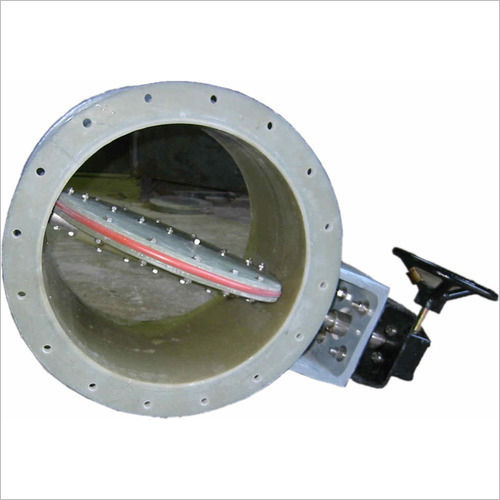
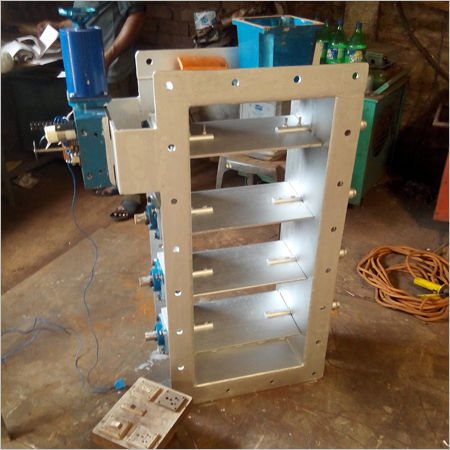
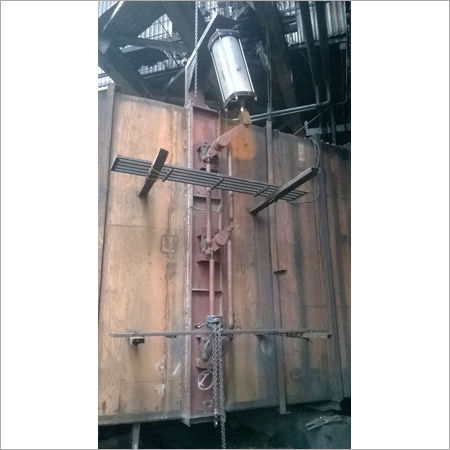
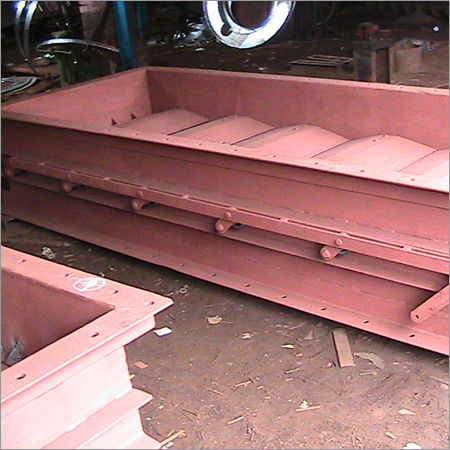
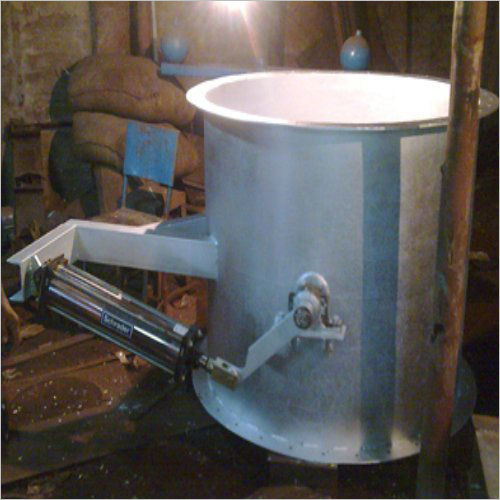
The industrial damper is made for controlling the air flow in the various types of industries. The dampers are made for the control of air supply in the air flow system. They are made of high quality metal and are very long lasting. It can be used for heating, ventilating and air conditioning. The industrial damper is made for the ducted and unducted air flow systems. The damper is made using latest technology, is versatile enough to be used in a number of industry. The damper has many applications and can be used according to the need.
Reliable Material and FinishingBuilt from high-grade Galvanized Iron (GI) or Mild Steel (MS), our industrial dampers promise lasting resilience even in demanding environments. The resilient powder-coated surface treatment enhances resistance to corrosion, making these dampers suitable for varied industrial settings where durability counts.
Efficiency Across ApplicationsDesigned for effective airflow control, our dampers perform efficiently in ventilation, heating, and air conditioning systems. Their sturdy construction and minimal maintenance need make them a favored choice for both new installations and upgrades in factories, warehouses, and process industries.
Tailored Customization OptionsWe offer a spectrum of sizes and colors, allowing customization to match specific project requirements or aesthetic preferences. Industries benefit from our adaptable dampers that can be seamlessly integrated into distinct operational setups, all while ensuring compliance with quality standards.
FAQs of Industrial Damper:
Q: How do industrial dampers improve airflow management in industrial systems?
A: Industrial dampers regulate and control the flow of air within ventilation, heating, and air conditioning systems. By adjusting the position of the damper blades, they can optimize airflow, maintain desired pressure levels, and isolate specific areas as needed. This results in enhanced system efficiency and operational control.
Q: What are the benefits of choosing dampers made from Galvanized Iron (GI) or Mild Steel (MS)?
A: Galvanized Iron (GI) and Mild Steel (MS) are recognized for their exceptional strength and durability. GI offers added protection against rust, while both materials provide a robust framework for dampers. When combined with powder coating, they ensure extended lifespan and reliable performance in harsh industrial conditions.
Q: When is it necessary to install or replace an industrial damper?
A: It is advisable to install or replace industrial dampers when upgrading ventilation systems, improving energy efficiency, or addressing issues like airflow imbalance or corrosion in existing dampers. Regular inspection and timely replacement ensure optimal system performance and reduce operational risks.
Q: Where are these industrial dampers commonly used?
A: These dampers are widely utilized in factories, warehouses, processing plants, and other industrial or commercial facilities. They suit environments requiring reliable airflow management, including HVAC systems, dust extraction units, and environmental control zones.
Q: What is the process involved in the manufacturing of your industrial dampers?
A: Our manufacturing process involves precision fabrication using GI or MS sheets, followed by thorough surface preparation. The components are then powder coated to enhance corrosion resistance, assembled to customer-specified dimensions, and subjected to stringent quality control tests before delivery.
Q: How does powder coating contribute to the dampers performance?
A: Powder coating creates a durable, protective layer over the metal surface, significantly increasing resistance to corrosion, wear, and environmental degradation. This treatment not only improves the dampers aesthetic appeal but also ensures prolonged operational reliability.
Q: Why is negligible maintenance considered a notable feature of these industrial dampers?
A: The use of high-quality materials and protective powder coating minimizes the effects of wear and corrosion, reducing the need for frequent servicing. Negligible maintenance leads to lower operational costs and less downtime, making these dampers a cost-effective solution for industrial environments.










 Send Inquiry
 Send Inquiry
 Send SMS
 Call Me Free